
Chemotherapy can weaken your natural defenses

Chemotherapy works by killing fast-growing cancer cells.
A possible side effect is a low count of neutrophils, a type of white blood cell that helps fight infections.2

Having a low neutrophil count is a condition known as neutropenia.
When fever is present, it's called febrile neutropenia. This can be a sign of a serious infection. You should call your doctor or nurse right away if you get a fever higher than 100.5°F (38°C).3

Infection may be a risk throughout your chemotherapy treatment.2
Helping to reduce that risk should be an important consideration for you and your physician.
NEUPOGEN® can help during strong chemotherapy
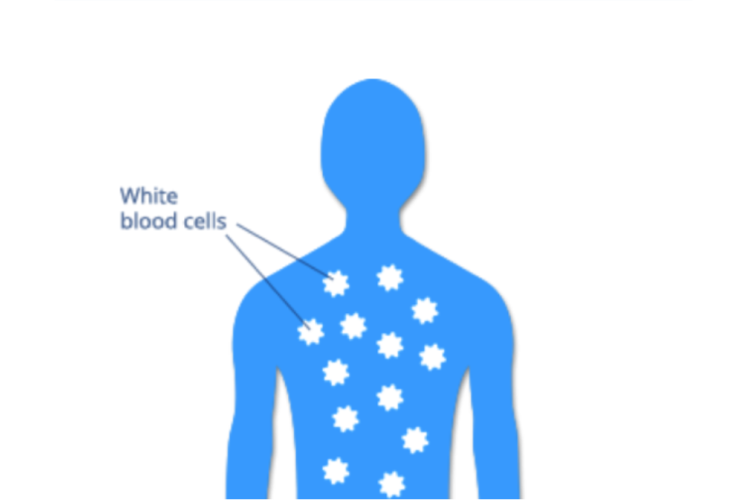
Before chemotherapy:
White blood cells are a key part of your natural defenses. At natural levels, white blood cells help protect your body against infection.2
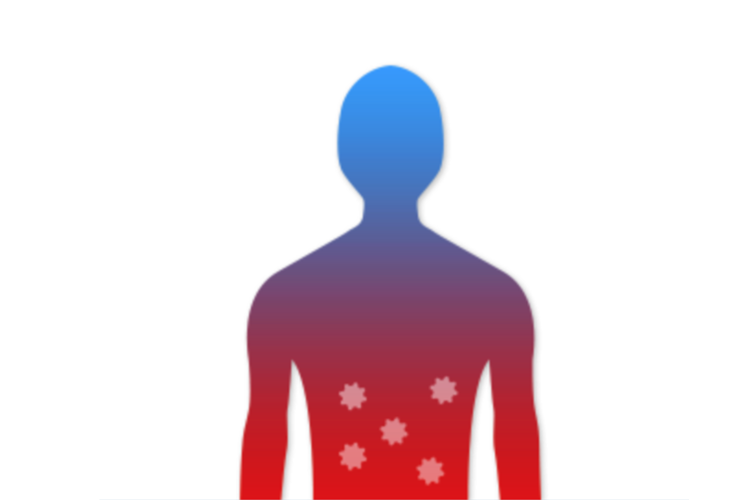
With strong chemotherapy:
Strong chemotherapy can reduce your white blood cell count. This may put you at risk for certain types of infection.2
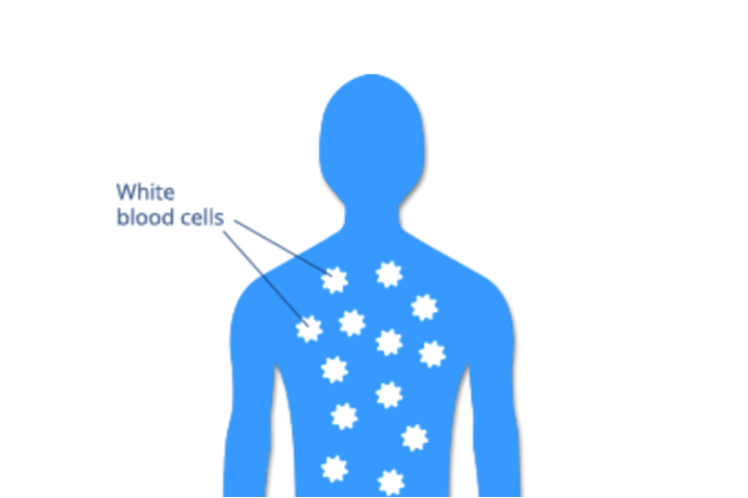
After NEUPOGEN®:
NEUPOGEN® can help stimulate the production of neutrophils, shortening the time and depth of a low white blood cell count after chemotherapy. This can help your body fight infection.1
Steps to help reduce the risk of infection

Once you begin chemotherapy, the following steps and precautions can help you avoid getting an infection2:
- Wash your hands regularly with soap and plenty of water to avoid getting an infection from things you touch
- Ask your friends and family to wash their hands before coming into contact with you
- Avoid people with colds or the flu
- Avoid large crowds, which may include sick people
- Bathe daily and dry your skin gently
- Be careful to prevent cuts or scrapes, because they can provide entry points for infection
- If you get a cut or scrape, cover it with a clean bandage until it heals
- To prevent cuts when shaving, consider using an electric razor instead of a blade
- Handle sharp objects with caution
- Wear protective gloves when performing tasks that expose you to a risk of cuts or scrapes, such as gardening
- Cook food thoroughly to kill infection-causing bacteria that may be in raw food
If you have any of the following signs of infection, report them to your doctor immediately2:
- Fever of 100.5°F (38°C) or higher
- Chills
- Cough or sore throat
- Diarrhea
- Ear pain, headache, or sinus pain, or a stiff or sore neck
- Skin rash
- Sores or white coating in your mouth or on your tongue
- Swelling or redness, especially where a catheter enters your body
- Urine that is bloody or cloudy, or pain when you urinate

Get information about a different medicine given once every chemotherapy cycle to help reduce the risk of infection
NEUPOGEN® was shown to help boost the production of infection-fighting white blood cells called neutrophils1
A key study of NEUPOGEN® involved 210 patients with small-cell lung cancer. These patients received up to 6 cycles of chemotherapy. There were 2 groups of patients.1
- One group of 99 patients received NEUPOGEN® every day for up to 14 days during every cycle (NEUPOGEN® treatment started approximately 24 hours after chemotherapy ended)
- The other group of 111 patients did not receive NEUPOGEN® (they received placebo)
NEUPOGEN® reduced the risk of infection
Over the 6 cycles in this study, 76% of patients who did not take NEUPOGEN® developed neutropenia with fever compared to 40% of patients who did take NEUPOGEN®. This means NEUPOGEN® reduced the number of patients who developed neutropenia with fever by nearly half.1
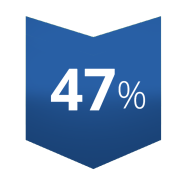
Patients treated with NEUPOGEN® had a 47% reduction in the incidence of febrile neutropenia1
Get information about a different medicine given once every chemotherapy cycle to help reduce the risk of infection
Treatment with NEUPOGEN®
NEUPOGEN® is available as a liquid in vials or in prefilled syringes.1
NEUPOGEN® is taken as an injection under the skin (called a subcutaneous injection) once daily during each cycle of chemotherapy. NEUPOGEN® may also be given by a healthcare provider as an intravenous (or IV) infusion.1
Dosing: What you need to know1

Administer NEUPOGEN® at least 24 hours after chemotherapy. Do not administer NEUPOGEN® within the 24-hour period prior to chemotherapy

NEUPOGEN® should be injected at the same time each day

If you miss a dose of NEUPOGEN®, contact your doctor or nurse

You must always use the correct dose of NEUPOGEN®
- Too little NEUPOGEN® may not help reduce your risk of infection
- Too much NEUPOGEN® may cause too many neutrophils to be in your blood

If you are giving someone else NEUPOGEN® injections, it is important that you know how to inject NEUPOGEN®, how much to inject, and how often to inject NEUPOGEN®

For detailed information on how to take NEUPOGEN®
Get information about a different medicine given once every chemotherapy cycle to help reduce the risk of infection

We’re right here, right when you need us
Personalized patient support designed for you. With financial support resources and other helpful patient support services, we are here to help you along the way.

Amgen® SupportPlus Co-Pay Program
If you have commercial or private insurance that you get from your employer or buy directly from a health insurance company, you may be eligible to pay as little as $0* for your prescription.
The Amgen SupportPlus Co-Pay Program may help patients with commercial or private insurance lower their out-of-pocket costs
- You may pay as little as $0* out-of-pocket for each dose
- Can be applied to deductible, co-insurance, and co-payment*
- No income eligibility requirement
*Eligibility criteria and program maximums apply. See AmgenSupportPlus.com/Copay for full Terms and Conditions.

What if I don’t have private or commercial insurance (eg, self-purchased or through an employer)?
Amgen® SupportPlus can provide information about independent nonprofit foundations that may be able to help.†
Call 866-264-2778 (Monday–Friday, 8:30 AM–8:00 PM ET) or visit AmgenSupportPlus.com
†Eligibility for resources provided by independent nonprofit patient assistance programs is based on the nonprofit’s criteria. Amgen has no control over these programs and provides information as a courtesy only.
Connect with us live:
Call 866-264-2778 Monday through Friday, 8:30 AM to 8:00 PM ET
Or visit AmgenSupportPlus.com
Important Safety Information
Do not take NEUPOGEN® if you have had a serious allergic reaction to human granulocyte colony-stimulating factor (G-CSFs) products such as filgrastim or pegfilgrastim.
Before you take NEUPOGEN®, tell your healthcare provider about all of your medical conditions, including if you:
- have a sickle cell disorder.
- have kidney problems.
- are receiving radiation therapy.
- are allergic to latex. The needle cap on the NEUPOGEN® prefilled syringe contains dry natural rubber (derived from latex). You should not give NEUPOGEN® using the prefilled syringe if you have latex allergies. Ask your healthcare provider about using the NEUPOGEN® vial if you have latex allergies.
- are pregnant or plan to become pregnant. It is not known if NEUPOGEN® will harm your unborn baby.
- are breastfeeding or plan to breastfeed. It is not known if NEUPOGEN® passes into your breast milk.
Tell your healthcare provider about all the medicines you take, including prescription and over-the-counter medicines, vitamins, and herbal supplements.
How will I receive NEUPOGEN®?
- NEUPOGEN® injections can be given by a healthcare provider by intravenous (IV) infusion or under your skin (subcutaneous injection). If your healthcare provider decides that the subcutaneous injections can be given at home by you or your caregiver, follow the detailed “Instructions for Use” for information on how to prepare and inject a dose of NEUPOGEN® using a prefilled syringe or a vial.
- You and your caregiver should be shown how to prepare and inject NEUPOGEN® before you use it, by your healthcare provider.
- Your healthcare provider will tell you how much NEUPOGEN® to inject and when to inject it. Do not change your dose or stop NEUPOGEN® unless your healthcare provider tells you to.
- If your healthcare provider switches you between using the NEUPOGEN® prefilled syringe and the NEUPOGEN® vial, the amount of medicine (volume) you need to inject to receive your dose is different.
- If you are receiving NEUPOGEN® because you are also receiving chemotherapy, your dose of NEUPOGEN® should be injected at least 24 hours before or 24 hours after your dose of chemotherapy.
- If you miss a dose of NEUPOGEN®, talk to your healthcare provider about when you should give your next dose.
- If you inject too much NEUPOGEN®, call your healthcare provider or Poison Help line at 1-800-222-1222 or go to the nearest hospital emergency room right away.
What are possible side effects of NEUPOGEN®?
NEUPOGEN® can cause serious side effects, including:
- Spleen rupture. Your spleen may become enlarged and can rupture. A ruptured spleen can cause death. Tell your healthcare provider right away if you develop pain in the left upper stomach (abdomen) area or your left shoulder.
- A serious lung problem called acute respiratory distress syndrome (ARDS). Tell your healthcare provider or get emergency medical help right away if you develop shortness of breath with or without a fever, trouble breathing, or a fast rate of breathing.
- Serious allergic reactions. Allergic reactions can cause a rash over your whole body, shortness of breath, wheezing, dizziness, swelling around your mouth or eyes, fast heart rate, and sweating. If you develop any of these symptoms, stop using NEUPOGEN® and tell your healthcare provider or get emergency medical help right away.
- Sickle cell crises in people with sickle cell disorder. You may have a severe sickle cell crisis, which could lead to death. Tell your healthcare provider right away if you develop symptoms of sickle cell crisis such as pain or difficulty breathing.
- Kidney injury. Tell your healthcare provider right away if you develop any of the following symptoms:
- swelling of your face or ankles
- blood in your urine or dark colored urine
- you urinate less than usual
- Capillary leak syndrome (CLS). NEUPOGEN® can cause fluid to leak from blood vessels into your body’s tissues. CLS can quickly cause you to have symptoms that may become life-threatening. Get emergency medical help right away if you develop any of the following symptoms:
- swelling or puffiness and are urinating less than usual
- trouble breathing
- swelling of your stomach area (abdomen) and feeling of fullness
- dizziness or feeling faint
- a general feeling of tiredness
- Myelodysplastic syndrome (MDS) and acute myeloid leukemia (AML).
- NEUPOGEN® may increase the risk of developing a precancerous condition called MDS or a type of blood cancer called AML in people who were born with low white blood cell counts (congenital neutropenia).
- If you have breast cancer or lung cancer, when NEUPOGEN® is used with chemotherapy and radiation therapy, or with radiation therapy alone, you may have an increased risk of developing a precancerous blood condition called MDS or a blood cancer called AML.
- Tell your healthcare provider if you develop any symptoms of MDS and AML, including tiredness, fever, or easy bruising or bleeding.
- Decreased platelet count (thrombocytopenia). Your healthcare provider will check your blood during treatment with NEUPOGEN®. Tell your healthcare provider if you develop unusual bleeding or bruising during treatment with NEUPOGEN®.
- Increased white blood cell count (leukocytosis). Your healthcare provider will check your blood during treatment with NEUPOGEN®.
- Inflammation of your blood vessels (cutaneous vasculitis). Tell your healthcare provider right away if you develop purple spots or redness of your skin.
- Inflammation of arteries (arteritis). Serious inflammation of the large and medium blood vessels that carry blood from the heart to the body, including the aorta (the largest artery), can Internal Use Only General and Administrative happen in people receiving NEUPOGEN®. Tell your healthcare provider right away if you develop fever, stomach (abdominal) pain, back pain, headache, neck pain, or generally feel unwell.
The most common side effects of NEUPOGEN® include, in people:
- with nonmyeloid cancers receiving chemotherapy: fever, pain, rash, cough, and shortness of breath
- with acute myeloid leukemia receiving chemotherapy: pain, nose bleed, and rash
- with nonmyeloid cancers receiving chemotherapy followed by bone marrow transplant: rash
- who are having their own blood cells collected: bone pain, fever, and headache
- with severe chronic neutropenia: pain, decreased red blood cells, nose bleed, diarrhea, reduced sensation, and hair loss
Your healthcare provider will check your blood cell counts regularly during treatment with NEUPOGEN® and will change your dose if needed. In patients treated for Acute Radiation Syndrome, more frequent blood tests, about every 3 days may be needed. Your healthcare provider may stop treatment with NEUPOGEN® if you develop severe side effects.
These are not all the possible side effects of NEUPOGEN®. Call your healthcare provider for medical advice about side effects. You may report side effects to FDA at 1-800-FDA-1088.
Please see the NEUPOGEN® Patient Information for additional information.
References:
1. NEUPOGEN® (filgrastim) prescribing information, Amgen. 2. National Cancer Institute. www.cancer.gov/about-cancer/treatment/side-effects/infection. Accessed June 12, 2026. 3. Cossey J, Cote MCB. JAAPA. 2024;37:16-20.
References:
1. NEUPOGEN® (filgrastim) prescribing information, Amgen.
References:
1. NEUPOGEN® (filgrastim) prescribing information, Amgen.
References:
1. NEUPOGEN® (filgrastim) prescribing information, Amgen.

Interested in less frequent dosing? Learn about a different non-daily medicine.
Interested in less frequent dosing? Learn about a different non-daily medicine.